For a long time, decaffeinated coffee was considered by many to be „fake coffee.“ This perception was formed for a reason. Previously, the market was dominated by lower-quality decaffeinated coffees, which were often processed using aggressive methods, losing their aroma and flavor.
Moreover, coffee culture itself has long been inseparable from the effects of caffeine – energy, alertness and morning drive. Coffee was perceived not only as a taste, but also as a function. Therefore, it is natural that decaffeinated coffee seemed to be something incomplete or intended only for those who „cannot“ drink regular coffee – due to high blood pressure, heart rhythm disorders, pregnancy, breastfeeding, hypersensitivity to caffeine or sleep problems.
But today, the situation is changing. With the improvement of processing technologies and the growing understanding of coffee taste, decaffeinated coffee is returning to its rightful place - as an aromatic, balanced drink, intended to be enjoyed, not just stimulated.
Why choose decaffeinated coffee?
Although caffeine is safe for most people, research shows that it can cause unwanted effects for some. Institutions such as Mayo Clinic and Harvard Health Publishing notes that caffeine can temporarily raise blood pressure, increase anxiety, cause heart palpitations, or disrupt sleep in some people. As a result, choosing coffee is increasingly becoming a matter of taste rather than habit.
In practice, this means that decaffeinated coffee is often chosen in very specific situations related to both well-being and daily habits:
- For the evening coffee ritual, when you want to enjoy the taste and aroma after a day's work, but not burden your body with additional stimulation that could affect sleep or the overall quality of rest.
- During pregnancy and breastfeeding, when it is recommended to limit caffeine intake, but you still want to enjoy a cup of coffee.
- For people with high blood pressure or a more sensitive heart function, when caffeine can cause an unpleasant sensation, heart palpitations, or general discomfort.
- For those sensitive to caffeine, when even a small dose of it causes anxiety, internal tension, tremors, or a difficult-to-define "overstimulation" sensation.
- For those with a more sensitive stomach, because decaffeinated coffee is often gentler on the digestive system and less likely to stimulate stomach acid production. Due to the reduced caffeine content, it may be less likely to cause heartburn, stomach discomfort, or reflux symptoms.
It is important to emphasize that modern decaffeinated coffee is no longer „weak“ or „empty.“ High-quality beans and advanced, gentle processing methods allow the full character of the coffee to be preserved – aroma, texture and depth of flavor. Therefore, choosing decaffeinated coffee is increasingly becoming not a compromise, but a conscious decision.
How is caffeine removed?
One of the most common questions is – How is caffeine removed from coffee and does it affect the taste?
The highest quality decaffeinated coffee beans are usually processed Swiss Water Process method is one of the safest and most natural methods, widely recognized in the international coffee industry.
Swiss Water Process – just water and time
This method does not use any chemical solvents. The process is based on natural physical principles:
- Green coffee beans are soaked in water until the caffeine dissolves naturally
- The water is filtered through special carbon filters that only remove caffeine.
- Flavor and aroma-forming substances remain
- The same flavor-saturated water molecules are used further
The result is decaffeinated coffee, which removes about 97–99 % caffeine, but the natural aroma, texture and depth of flavor are preserved.
International research and organizations (e.g., National Institutes of Health and European Food Safety Authority) confirms that such a method is safe, reliable and suitable even for sensitive users.
Myths about decaffeinated coffee
Despite technological advances, there are still a number of myths surrounding decaffeinated coffee.
1. "It doesn't taste good"„
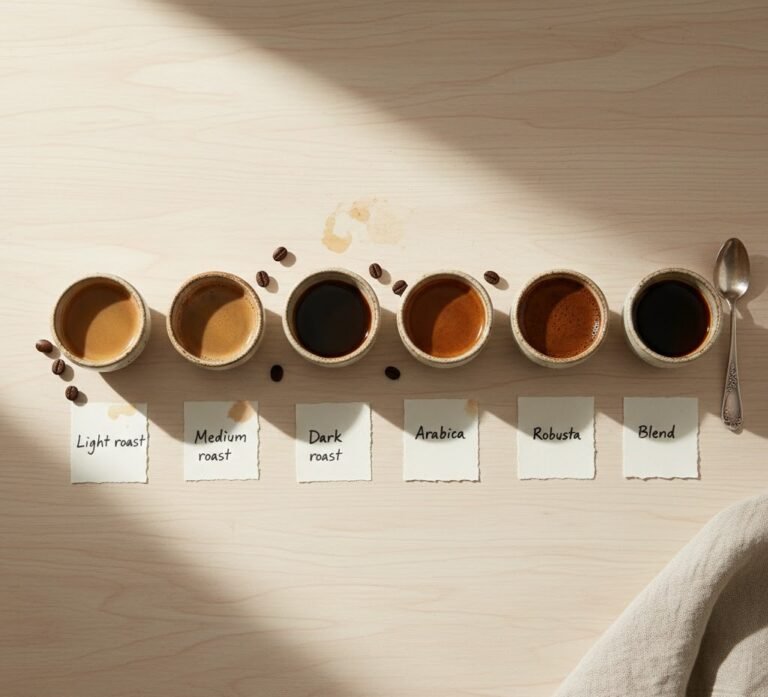
This is one of the oldest myths. The taste does not depend on caffeine, but on:
- bean origin
- roasting
- processing method
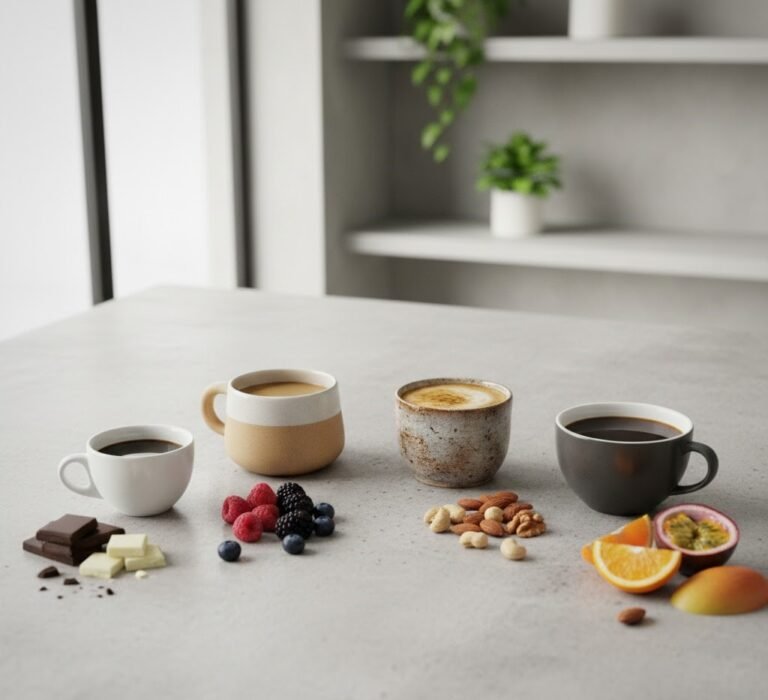
If high-quality coffee beans are used, you can feel notes of caramel, nuts, or chocolate in the taste - just like in regular coffee.
2. "It still has caffeine in it"„
Technically, partially. Even the best methods leave about 0.1 % caffeine, but this amount is considered safe even during pregnancy, according to Harvard Health and Mayo Clinic recommendations.
3. "It's Chemistry"„
This myth often stems from old production practices. Modern decaffeinated coffee, especially those processed with water or CO₂, not a chemical product. Only natural physical processes are used.
Who is decaffeinated coffee good for?
Decaffeinated coffee isn’t just for „special occasions.“ It’s great for:
- For pregnant and lactating women
- For people with high blood pressure
- For those who experience anxiety or insomnia from caffeine
- For those facing stomach acidity problems
- For those who love espresso after dinner
- For those seeking balance in everyday life
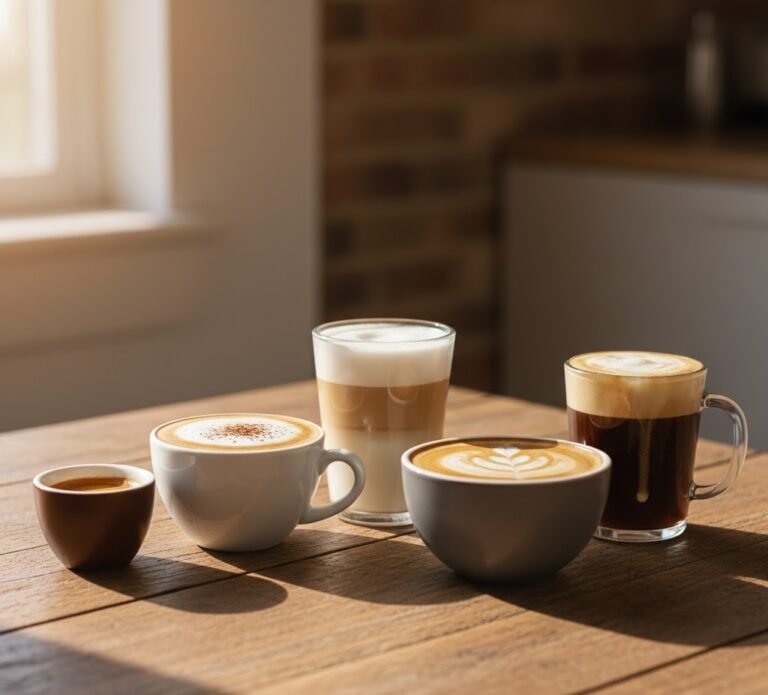
Due to its versatile flavor profile, decaffeinated ground coffee is suitable for espresso, filter or mocha. It pairs well with milk and plant-based drinks, maintaining a consistent flavor.
A taste that soothes
Our Decaf„ characterized by medium roast profile, which reveals:
- natural caramel sweetness
- the warmth of roasted nuts
- the depth of dark chocolate
It's a caffeine-free coffee that doesn't cause tension but gives a sense of satisfaction. It's not meant to be rushed, but a conscious ritual - any time of day.
Summary
Decaffeinated coffee today is not a compromise, but a mature, conscious choice. It arises not from the necessity to give up coffee, but from the desire to maintain its ritual and taste, adapting to your well-being and the rhythm of life. Advanced, natural processing methods allow you to remove caffeine without sacrificing what is most important in coffee - aroma, structure and depth of taste.
Decaffeinated coffee allows you to enjoy coffee when you want it most: in the evening, in quiet moments, or on days when you want less stimulation. It is suitable for those who are looking for balance, sensitivity to their body, and want to maintain daily habits without excessive stress.
If you value quality but want peace of mind, decaffeinated coffee beans can be a natural choice – not as an alternative to "real" coffee, but as a full-fledged form of it.